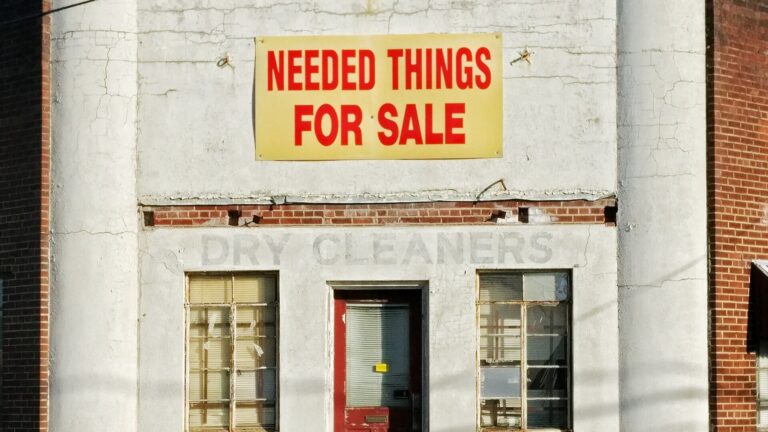
To buy an expired domain, you usually don’t wait for it to become free to register. You bid on it in an expiry auction run by the registrar it was registered with, or you place a backorder so a drop-catching service tries to grab it the moment it’s deleted. Which route works depends on where the domain was registered and how far through the expiry process it is.
Catching expiring names is one of the main ways I buy domains, along with registering new ones. I use GoDaddy, NameJet, SnapNames, Namecheap, and Dynadot. Here’s how each route works.
What happens when a domain expires
An expired domain doesn’t go back on the market right away. For generic domains, ICANN’s rules don’t guarantee a set renewal window, because a registrar can delete an expired name at any time. Until then, the registrar has to let the owner renew it and, where the registry allows, interrupt the domain’s DNS: from expiry if the name is deleted within eight days, or otherwise for at least the final eight days the owner can still renew it. After a domain is deleted, most generic registries hold it for a 30-day Redemption Grace Period, when only the old owner can get it back. If it’s your own name that lapsed, start with can you transfer an expired domain.
Registrars use the time before deletion to auction the names. Dynadot says most domains are dropped from the registry 75 days after they expire, and in my experience the good ones have usually sold by then.
Owners let names lapse for all sorts of reasons. I let some of my own go every month, after deciding whether to renew a domain or let it drop, and someone else may well be bidding on them a few weeks later.
Route 1: expiry auctions at the registrar
Most big registrars auction their own expired domains. The timelines differ, so it helps to know the registrar:
- GoDaddy: an expired domain goes into GoDaddy’s Expired Domains Auction 26 days after it expires. If it doesn’t sell, it moves to a Final Closeout Auction from day 36 to day 41. The old owner can still recover it with a redemption fee for much of that time.
- Dynadot: each expired auction page shows its own duration, and a bid in the last 5 minutes adds 5 more, with no limit on extensions. The winner has 48 hours to pay, and the domain then sits under an “Auction Lock” for about 15 days. Dynadot requires at least $5 of account spending before you can bid.
- Namecheap: runs expiry auctions on its Namecheap Market, and since 2025 it’s been the exclusive home of expired .ai auctions.
- NameJet and SnapNames: both are run by Newfold Digital and auction expired names from partner registrars. Since July 2025, that includes Bluehost and HostGator, whose expired names now go there exclusively.
In my experience, GoDaddy is the most accessible of these, which also makes it the most competitive.
Route 2: backorders and drop catching
If a domain makes it through the auctions unsold and gets deleted, the registry releases it, and drop-catching services compete to register it the moment it’s released. A backorder is how you join that race. Dynadot explains it plainly: the service tries to register the domain for you as soon as it drops, and at Dynadot you only pay if it catches the name.
Two things happen after a catch:
- If you’re the only one who backordered it, the domain is yours at the backorder price.
- If several people backordered it, it goes to an auction. At Dynadot, that auction is public and lasts 7 to 10 days, and the first person to backorder gets a starting bid placed for them.
No backorder is guaranteed. Different services compete to catch the same name, and Dynadot says it can’t promise a catch. If you really want a name, you can backorder it at more than one service, but read each one’s terms first, because winning one can commit you to paying for it.
GoDaddy used to offer backorders too, but it stopped selling new ones on August 8, 2024, and retired the service after October 7, 2025. It now points buyers to GoDaddy Auctions instead, so at GoDaddy, the expiry auctions above are the route.
What’s changed recently
The expired market keeps moving, so a few recent changes are worth knowing:
- Bluehost and HostGator began sending their expired domains to NameJet and SnapNames in July 2025, so those names now show up there.
- NameJet and SnapNames were redesigned in 2026, with more detail on domain pages, including AI-based scores for things like brandability.
- Auction timing differs everywhere. Before you bid on a platform you don’t use often, check its current rules on payment deadlines and auction locks.
How I bid
My rule is simple: I value the name and set a ceiling before I bid, and I walk away rather than get pulled into a bidding war. A ceiling decided in advance keeps the auction from deciding for me. I explained how I value names in the framework I actually use.
Two more checks before you bid. Look up the domain’s history, since an old site may have left spammy links or a bad reputation behind. And check for trademarks. I once registered a domain with “Google” in it and got a cease and desist letter from Google. I tried it once, and never again. It’s not worth the headache.
Where to start
If you’re new to this, start at the registrar where most of the names you want are registered, and learn its timeline before you bid. For a single name you really want, check when it expires with a quick lookup, which I explained in how to check when a domain expires, and find out where it’s registered. I explained how in how to find who owns a domain. That tells you which auction it’s most likely to show up in, if it reaches one. And if you’d rather buy a name that isn’t expiring at all, my post on how to buy a domain name compares all three routes.
Once you’ve won a name, protect it with the rules I follow so I never lose a domain. And if you ever decide to sell it, here’s how selling through GoDaddy and Afternic works.
Top photo: Rodion Kutsaev / Wikimedia Commons (CC0).
Sources
- ICANN: Expired Registration Recovery Policy
- GoDaddy: What happens after domain names expire, GoDaddy phases out domain backorders, Deadline extension for backorders
- Dynadot Help: Expired domain auctions, Placing a backorder, Backorder auctions, Backorders
- DomainInvesting.com: Things I learned about Namecheap auctions, Namecheap .ai expiry auctions
- Bill Hartzer: Bluehost and HostGator expired domains on NameJet and SnapNames (2025), Domain Name Wire: NameJet and SnapNames refresh (2026)