I run a portfolio of websites, and I’ve never actually explained why. The short version: it grew out of owning domain names, it spreads the risk, and it lets me write about things I care about instead of picking one subject forever.
It Started with Domains, Not Websites
I didn’t set out to build a portfolio of sites. I’ve been building and running websites since the early 2000s, and my first blog started in 2003, on a different domain from this one. Owning domain names came first, though, and building on some of them came later.
Most of my names are registered at GoDaddy, the domain registrar, and the ones I’d sell are listed on Afternic, a domain marketplace, with whitmark.com as my storefront. I’ve written about the tools I use to keep track of all of it, and you can see the names I have for sale here on metahead.
Why Not One Big Site?
One big site would be simpler to run. I went the other way for three reasons.
Reason 1: Spreading the Risk
A website that depends on Google can lose traffic even when nothing is wrong with it. Google says it makes core updates, which it calls broad changes to its search systems, several times a year. It also says a page that moves down after one isn’t necessarily a bad page.
Income can change overnight, too. In April 2020, Amazon told U.S. members of its affiliate program, Amazon Associates, that it was cutting commission rates from April 21. Furniture and home improvement went from 8% to 3%, and grocery went from 5% to 1%. A site built around those products lost more than half of its commission rate on them.
If everything I earned came from one site, one update or one program change could take most of it. With sites on different subjects, a bad month for one of them is a bad month for part of the portfolio, not all of it.
Reason 2: Putting Domains I Own to Work
A domain I’m not using still has to be renewed, and mostly it just waits for a buyer. Building a site on a name I already own gives it a job while it waits. Every name still has to earn its renewal, and I’ve written about how I decide whether to renew a domain or let it drop.
Reason 3: Following My Interests
One big site has to pick a subject and stay with it. A portfolio lets each thing I’m interested in have its own home and its own name.
Put together, my interests would make a strange single website. As separate sites, each one can go deep on its topic, and a reader who comes for one doesn’t have to wade through the others.
What It Costs
A portfolio isn’t free. Every site has its own renewals, hosting, updates and content to keep up, and each one has to be watched for problems. More sites means more of all of that.
What keeps it manageable is building every site the same way. I use the same build stack on every site, with the WordPress theme GeneratePress at the core, so what I learn on one site carries over to the rest.
That’s the whole reason, really. Owning domains got me started, and spreading the risk, putting those names to work and following my interests are why I keep going.
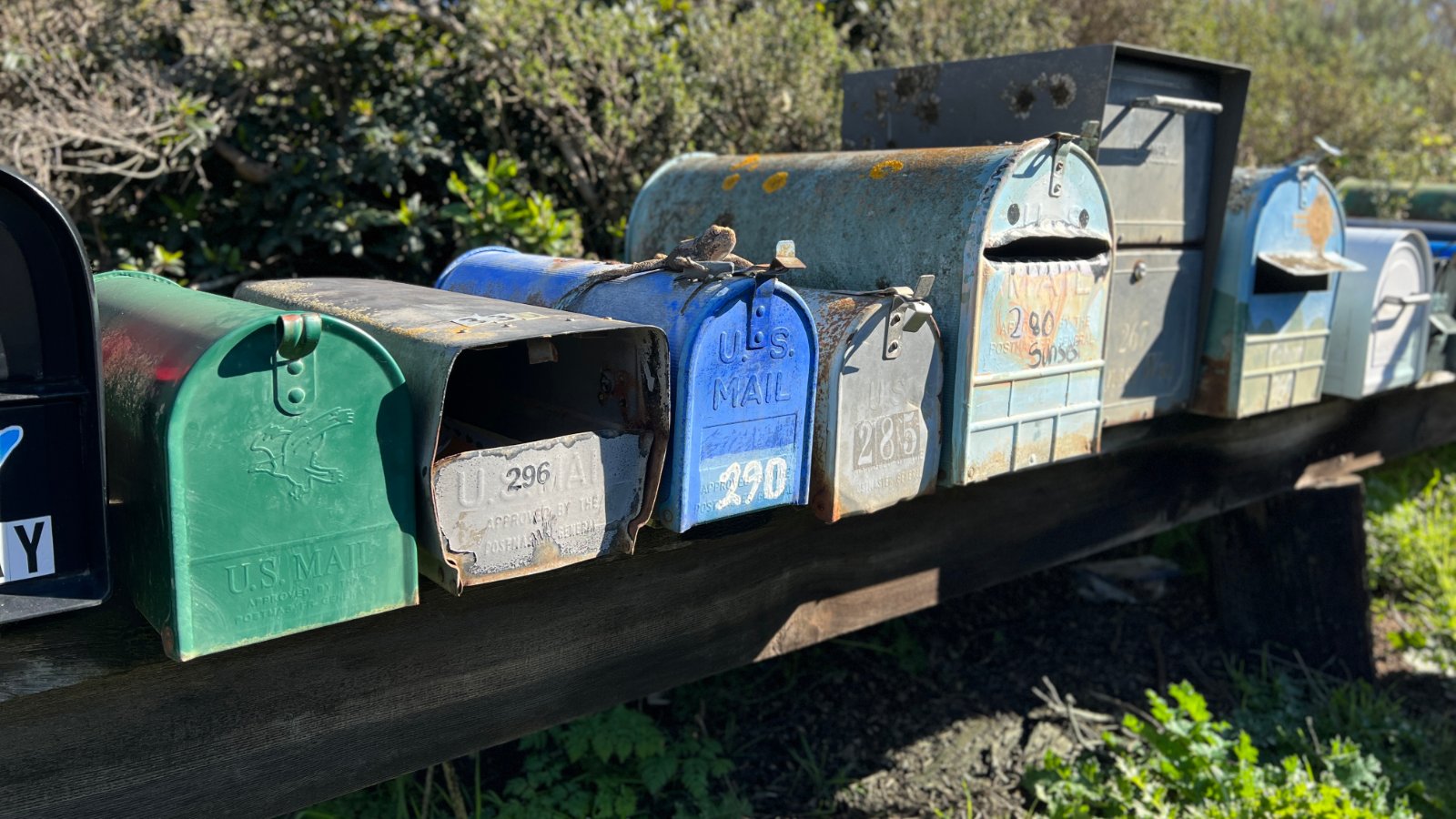
Top photo: Jennifer Bourn (CC0).